
metal wire fence posts description
Metal fence posts provide a solid and secure support for various types of fencing materials, such as chain link, wood, vinyl, and composite.
Metal posts are resistant to moisture and weather damage. This makes them a long-lasting option for fencing, especially in areas with harsh climates or high levels of humidity. They are also resistant to pests and insects, further increasing their lifespan.
They provide a sturdy and stable base for the fence, ensuring that it will not sag or become unstable over time. This is especially important for fences that need to withstand strong winds or heavy impacts, such as those in agricultural or industrial areas. Metal posts can be made from various types of steel, such as galvanized or stainless steel, which provide added strength and reliability.
They can be easily customized to fit different fencing needs and designs. Metal fence posts come in various sizes, shapes, and thicknesses, allowing for flexibility in design and installation. They can be cut to the desired length and shape, ensuring a perfect fit for any type of fencing material.
Metal posts can be easily welded or connected to other posts, providing endless possibilities for fence configurations and layouts. Whether it is for residential, agricultural, commercial, or industrial purposes, metal fence posts provide a solid and secure support for any type of fencing material.
ProductS
Pleated mesh filter
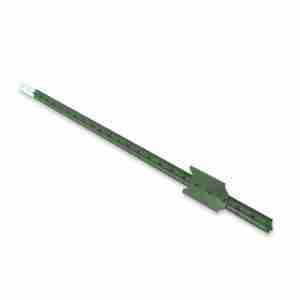
Metal T post is a type of fence post that is commonly used in agricultural and livestock fencing. It is named after its shape, which resembles the letter “T”. These

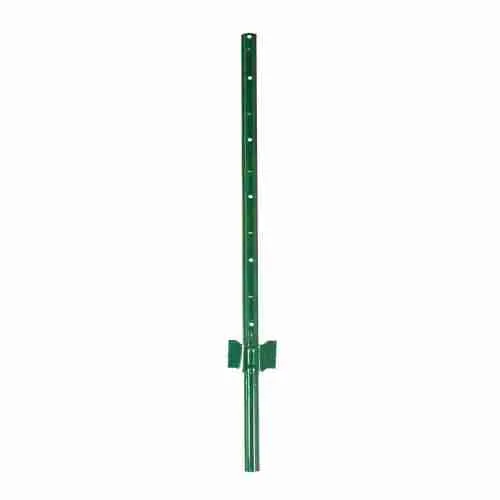
Steel U Posts
Steel u posts are a type of metal support structure typically used in construction and landscaping projects. They are called “U” posts because the cross-section of the post resembles the letter U.
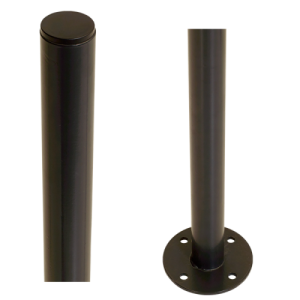
Round Metal Fence Posts
Round metal fence posts are an important component in any fence system. They are designed to provide support and stability to the fence, making it
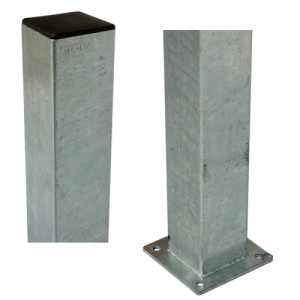
Square Metal Fence Posts
Square metal fence posts are an excellent choice for anyone looking to install a durable, secure, and visually appealing fence and square fence posts meet those
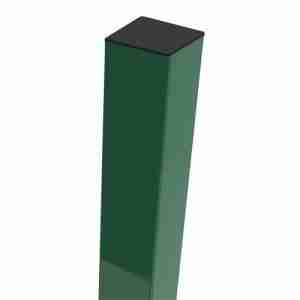
Wire Mesh Fence Posts
Metal fence posts provide a solid and secure support for various types of fencing materials, such as chain link, wood, vinyl, and composite.
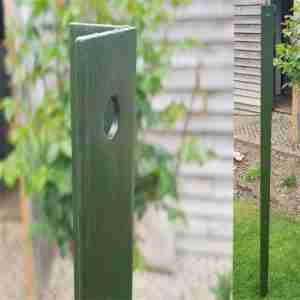
Angle Iron Fence Posts
Angle iron fence posts are a popular choice for many types of fencing projects. They are strong, durable, and versatile, making them a suitable option for both residential

Heavy Duty Metal Fence Posts
When it comes to securing and protecting your property, using heavy-duty metal fence posts is a great choice. These posts are extremely durable
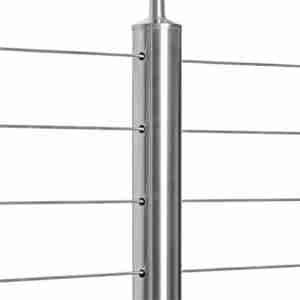
Stainless Steel Fence Posts
Stainless steel fence posts are a durable, low-maintenance and versatile option for fencing purposes. Made from a combination of iron, carbon, and
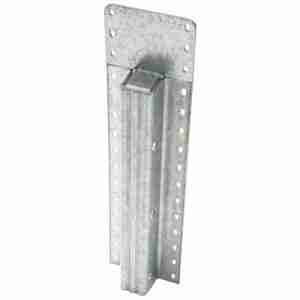
Galvanized Fence Post
Galvanized fence posts are an integral component of fencing systems, providing support and stability to the structure. The galvanization process involves immersing
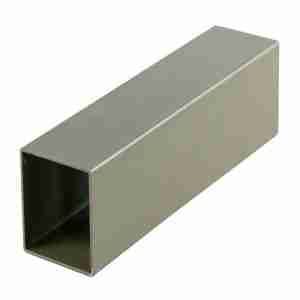
Powder Coated Steel Posts
Powder coated steel posts are a type of metal post that has been given a durable and decorative finish by applying a layer of powder coating.

Green Metal Fence Post
Green metal fence post stands tall and strong in its designated spot, securing and defining the boundaries of a property. As a crucial component of a fence, it plays
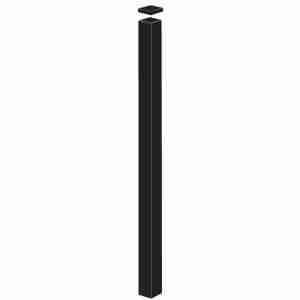
Black Metal Fence Posts
Black metal fence posts offer numerous benefits and advantages due to their durability, strength, and stylish appearance. These fence posts are
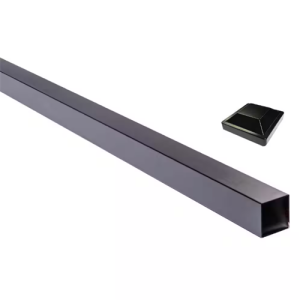
Aluminum Fence Post
Aluminum fence post with their resistance to rust, corrosion, and other environmental elements, these posts provide long-lasting security and protection for
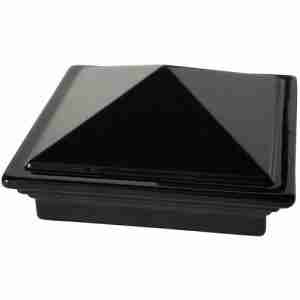
Metal Post Caps
Metal post caps are a great addition to any outdoor space, adding both style and functionality to your fence or deck posts. They are available in a variety of designs
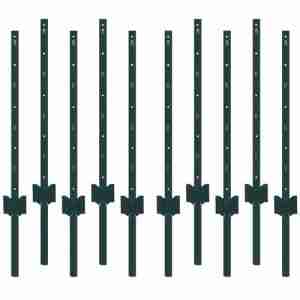
Stainless steel pleated filters
Steel posts with holes are versatile and important components in a variety of industries and applications. They are commonly used in construction, landscaping,
agriculture, and manufacturing projects. These posts provide essential support, stability, and flexibility, making them a popular choice for many projects.
One common use for steel posts with holes is in fencing. These posts are used to support and secure various types of fencing, such as chain link, barbed wire, or wooden panels. The holes in the posts are strategically placed, allowing for easy attachment of the fencing material.
This design feature makes it quick and convenient to install or replace fencing, saving time and effort.
In construction, steel posts with holes are often used as structural elements. They can be used to support beams, joists, or other load-bearing components.
In agricultural applications, they are commonly used for animal enclosures, such as pens, corrals, or pastures. These posts provide a secure and durable framework to contain livestock, ensuring their safety and preventing escapes.
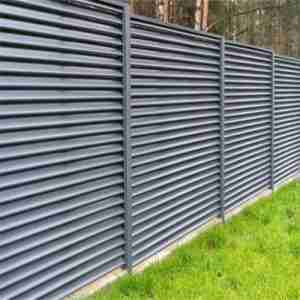
Horizontal Metal Fence Post
A horizontal metal fence post is a structural element used to support and secure a fence. It is typically made of metal, such as steel or aluminum, and is designed to
withstand various weather conditions and provide long-lasting durability.
One of the key features of a horizontal metal fence post is its horizontal orientation, which differs from the traditional vertical orientation of most fence posts. This horizontal orientation can also create an illusion of a wider and more open space, making it a popular option for small yards or areas with limited space.
A horizontal metal fence post offers improved structural stability. The horizontal orientation distributes the weight of the fence panels more evenly along the length of the fence, reducing the chances of sagging or bending.
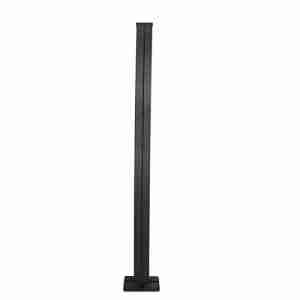
Slotted Metal Fence Posts
Slotted metal fence posts are a popular choice for both residential and commercial fencing projects. They are a durable and versatile option that offers several benefits
over traditional wooden posts.
Slotted metal fence posts are made from high-quality steel or aluminum, which makes them extremely durable and long-lasting. They can withstand harsh weather conditions, such as rain, snow, and strong winds, without bending or warping.
They can be used with different types of fencing materials, such as wood, vinyl, or chain link. This allows you to choose the type of fence that best suits your needs and preferences, without being limited by the type of post you can use.
Slotted metal posts also come in different heights and sizes, making it easy to customize your fence to fit your specific requirements.
Slotted metal fence posts provide added security to your property. The slots or holes in the posts allow for the attachment of security features, such as wire mesh or anti-climb spikes. This helps to deter intruders and ensures that your property remains safe and protected.
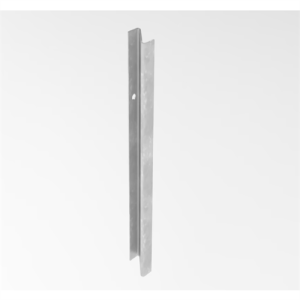
z Metal Fence Post
The z metal fence post is a versatile and durable option for securing fences and other structures. Made from high-quality galvanized steel, these posts are built to
withstand the elements and provide long-lasting support.
One of the key features of the z metal fence post is its unique shape. Unlike traditional round or square posts, the “z” shape offers increased stability and rigidity. This makes it an ideal choice for areas with high winds or uneven terrain.
The shape also provides a secure grip for attaching fencing materials, ensuring that they stay in place even under pressure.
The posts come pre-drilled with holes for attaching the fencing materials, saving time and effort during installation. The posts can be easily adjusted to accommodate different heights and angles, making them suitable for a variety of fence styles and designs.
The z metal fence post is available in various sizes and lengths, allowing for customization based on specific needs. Whether erecting a small garden fence or securing a large property, there is a size to suit every project.
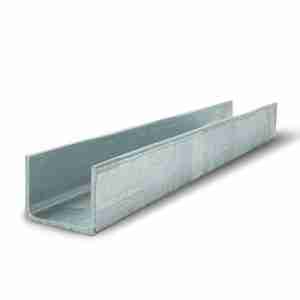
C Channel Steel Fence Post
C channel steel fence post are shaped like the letter “C” with one flat side and two curved sides. This design allows for easy installation and provides a strong
foundation for the fence.
C channel steel fence post are commonly used in both residential and commercial fencing applications. They are especially popular for chain link fences, as the flat side of the post provides a secure surface to attach the fence fabric.
The curved sides of the post provide additional strength and stability, making them an ideal choice for areas with high wind or other extreme weather conditions.
The flat side of the post can be easily secured to the ground using concrete or other anchoring methods. The curved sides of the post can then be used to attach the fence fabric, providing a secure and stable fence structure.
Another benefit of c channel steel fence post is their aesthetic appeal. The sleek and slim design enhances the overall appearance of the property. The galvanized steel finish adds a finished and polished look that complements any type of fence fabric or coating.
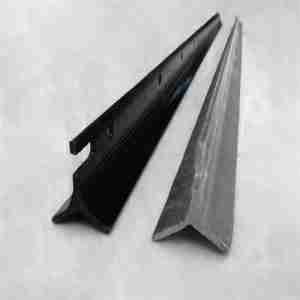
Y Steel Fence Posts
Y steel fence posts are a type of fence post that is shaped like the letter “Y”. They are commonly used in agricultural and rural settings, where they are used to support
and secure fencing. They are preferred over other types of posts, such as wooden or T-posts, because they are strong, durable, and easy to install.
They can be easily driven into the ground using a post driver or a sledgehammer. Once they are in place, they can be easily attached to fencing using wire, clips, or other fasteners. This makes them a popular choice for DIY projects, as they can be installed with minimal effort and tools.
Y steel fence posts may not be suitable for all types of fencing. They are most commonly used with wire mesh or barbed wire fencing, as these types of fences can easily be attached to the posts.
If you are using a different type of fencing material, such as wooden or vinyl panels, you may need to consider alternative post options.
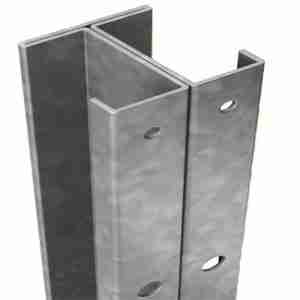
Steel H Fence Posts
Steel h fence posts are named after their shape, as they resemble the letter “H” when viewed from the side. The “H” shape provides maximum stability, allowing the
fence to stay in place even in strong winds or when animals push against it. The strength of steel h fence posts ensures that the fence will not collapse or become damaged, providing peace of mind to farmers and homeowners alike.
They can be used for a variety of fencing applications, including keeping livestock contained, defining property boundaries, and creating garden enclosures. They can also be used with different types of fencing materials, such as wire mesh, barbed wire, or electric fencing.
Unlike wooden fence posts, which may need regular staining or painting, steel h fence posts do not require any special treatment. They can simply be left in their natural state or painted to match the surrounding environment.
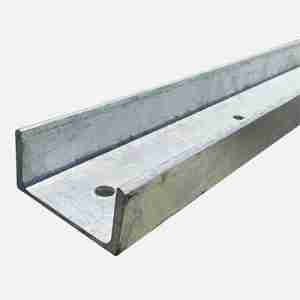
Steel Privacy Fence Posts
Steel privacy fence posts are a durable and long-lasting option for homeowners who want to enhance the privacy and security of their property. Made from galvanized
steel, these posts offer a high level of strength and stability, making them an ideal choice for fencing projects.
Galvanized steel is treated with a protective zinc coating, which helps to prevent the metal from rusting over time. This means that even in harsh weather conditions or exposed to moisture, the steel posts will remain strong and intact.
Steel is a strong material that can withstand heavy impact and pressure. This makes it an excellent choice for areas with high winds, as the posts can withstand the force without bending or breaking. Whether it’s from fallen branches, animals, or accidental collisions, steel privacy fence posts can handle whatever comes their way.
Steel privacy fence posts can also be customized to suit individual style preferences. They come in a variety of sizes and shapes, allowing homeowners to choose the design that best fits their needs. Whether it’s a traditional square post or a more modern round post, there are options to complement any style of fencing.
Steel privacy fence posts offer enhanced security for homeowners. Due to their strength and durability, they provide a sturdy barrier that is difficult to breach. This can act as a deterrent to potential intruders, giving homeowners peace of mind knowing that their property is well protected.
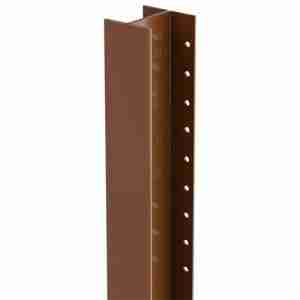
Brown Metal Fence Posts
Brown metal fence posts are a popular choice for homeowners and businesses seeking a durable and aesthetically pleasing fencing solution. These posts are made
from high-quality metal materials, and are coated with a brown finish to enhance their appearance.
Metal is known for its robustness, making it a perfect choice for fences that need to withstand harsh weather conditions, impact, or potential vandalism. The brown coating on these posts provides an extra layer of protection against rusting and corrosion, ensuring that the fence remains in good condition for many years.
Brown metal fence posts offer a sleek and stylish look that complements any property. The brown finish adds a touch of elegance and charm, making these posts suitable for both residential and commercial settings. They can effortlessly blend with any landscape or architectural design, adding value and appeal to the property.
The brown finish is designed to be long-lasting and fade-resistant, allowing the posts to retain their original color and shine for many years. All that is needed to maintain these posts is occasional cleaning with mild soap and water to remove dirt or debris.
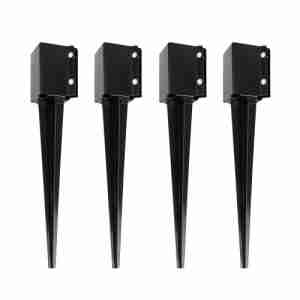
Metal Post Spikes
Metal post spikes are an effective option for securely anchoring posts into the ground. Whether you are building a fence, deck, pergola, or any other outdoor structure, it
provides a reliable and long-lasting solution.
They can be used with a wide variety of post sizes, ranging from small wooden posts to larger, heavier-duty posts. This makes them suitable for a range of different projects, from small garden fences to large deck structures. The flexibility of metal post spikes means that you can use them for multiple applications, making them a worthwhile investment.
They also offer a secure and stable anchoring solution. The design of the spikes ensures that your posts are held firmly in place, even in high winds or other adverse weather conditions. This gives you peace of mind, knowing that your structure is less likely to be damaged or compromised.
In addition to their practical benefits, metal post spikes can also enhance the overall appearance of your outdoor space. They provide a clean and minimalistic look, with the spikes hidden underground and only the posts visible above the surface.
Techniques
1. Are steel posts durable and weather-resistant?
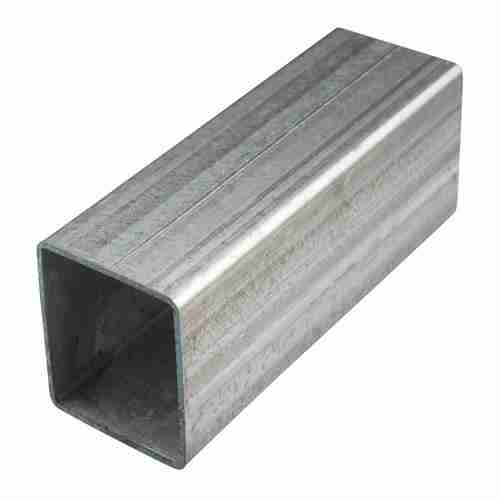
Yes, steel posts are generally durable and weather-resistant. Steel has a high strength-to-weight ratio, making it a sturdy material that can withstand different weather conditions, including rain, wind, and snow.
It is also resistant to rust and corrosion, especially if it is properly coated or galvanized. Steel posts are commonly used for a variety of applications, such as fencing, construction, and signage, due to their durability and ability to withstand the elements.
2. What types of metal are commonly used for metal posts, and what are their respective benefits?
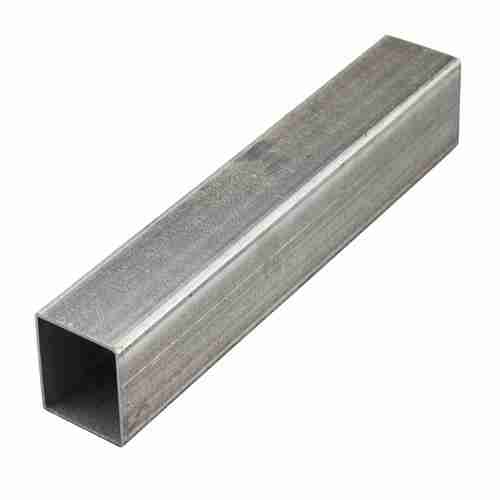
There are several types of metals commonly used for metal posts, each with their own benefits. Some of the main types include:
1. Steel: Steel is a popular choice due to its strength, durability, and affordability. It can withstand heavy loads and is resistant to bending and breaking. Steel posts can also be easily fabricated and welded, making them versatile for various applications.
2. Aluminum: Aluminum is known for its lightweight nature, corrosion resistance, and ease of fabrication. It is commonly used in areas where moisture or salt exposure is a concern, such as near coastlines. Although not as strong as steel, aluminum posts are still sturdy and can be a more aesthetically pleasing option.
3. Wrought Iron: Wrought iron is a traditional and decorative option for metal posts. It offers a classic appearance, exceptional durability, and can be forged into various intricate designs. Wrought iron is highly resistant to corrosion and can withstand harsh weather conditions, making it suitable for outdoor applications.
4. Galvanized Steel: Galvanized steel is a type of steel that has been coated with a layer of zinc, offering enhanced protection against corrosion. This coating process creates a barrier that helps prevent rust and extends the lifespan of the metal post. Galvanized steel posts are commonly used in outdoor and marine environments.
3. Are there any specific accessories or hardware required when using steel i beam fence posts, such as brackets or connectors?
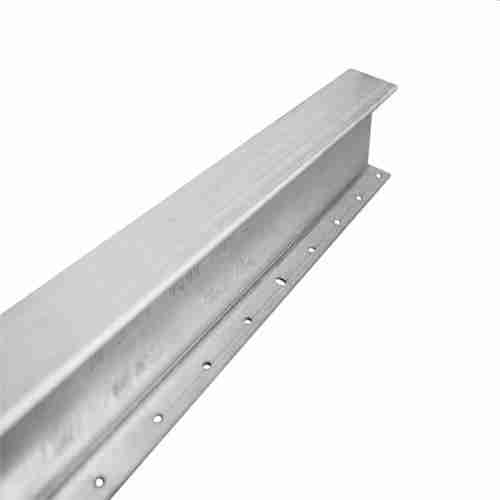
Yes, when using steel I-beam fence posts, there are several accessories or hardware that may be required for proper installation. These include:
1. Post brackets or connectors: These are used to connect the fence panels or rails to the steel I-beam posts. Brackets or connectors vary depending on the type and design of the fence being installed.
2. Bolts and screws: Depending on the type of post brackets or connectors used, bolts or screws may be required to attach the brackets to the steel I-beam posts and the fence panels to the brackets.
3. Post caps: Post caps are optional but can be used to provide a finished look and protect the top of the steel I-beam posts from weather elements.
4. How do hidden steel fence posts compare in terms of installation ease and maintenance requirements?
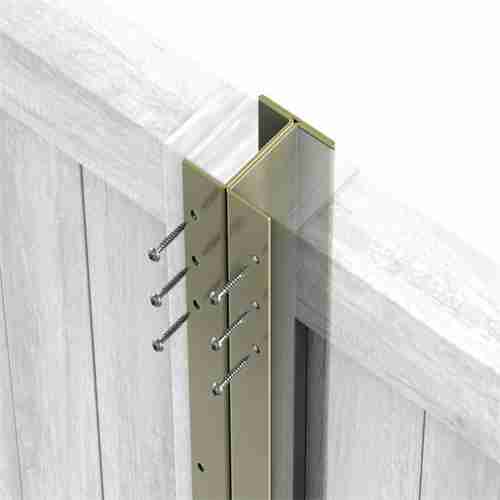
Hidden steel fence posts are generally easier to install compared to traditional wooden posts. They typically come pre-drilled with holes for attaching the fence panels, which eliminates the need for additional drilling or cutting.
Additionally, the steel material is typically lighter and easier to handle during installation.
In terms of maintenance, hidden steel fence posts are highly durable and require minimal upkeep. Unlike wooden posts, they are not susceptible to rot, insect damage, or warping. They also do not need to be painted or stained regularly.
5. Can lightweight metal fence posts be customized or painted to match different aesthetics or styles?
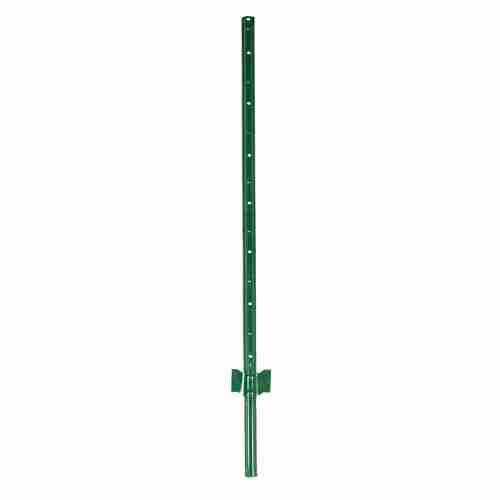
Yes, lightweight metal fence posts can be customized or painted to match different aesthetics or styles. These fence posts are often made of materials such as aluminum or vinyl, which can be easily painted or customized. You can choose a color that matches the existing fence panels or the overall style of your property.
Additionally, you can consider adding decorative elements or designs to the posts to further enhance their aesthetics and complement the surrounding environment.
6. Are hiding metal fence posts prone to rusting or corrosion over time?
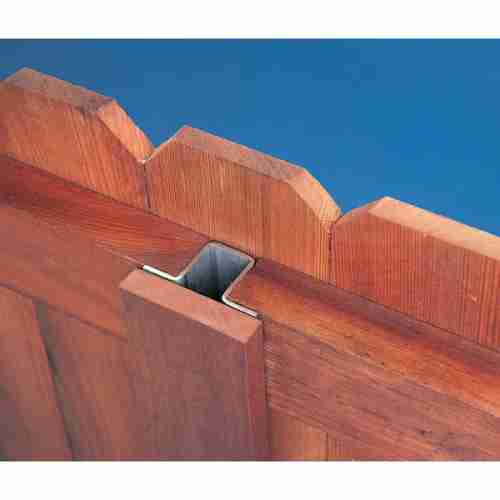
Hiding metal fence posts is not directly related to rusting or corrosion; however, the materials used to hide the fence posts can impact their susceptibility to those issues. If the materials used to cover the posts trap moisture and prevent proper ventilation, the posts may become more prone to rusting or corrosion over time.
It is important to use materials that allow for airflow and drainage to avoid moisture buildup and increase the longevity of the metal posts.
7. Does steel wire fence post offer any additional security benefits?
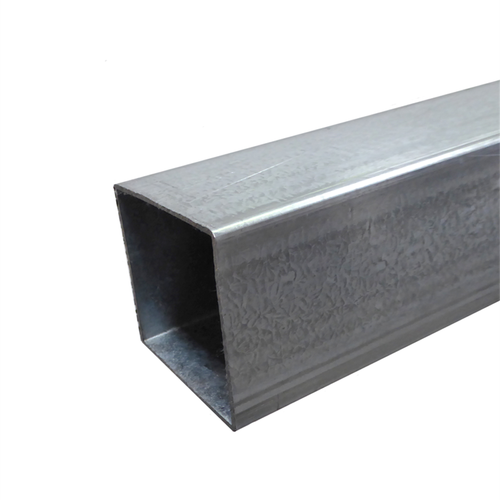
Yes, steel wire fence posts offer additional security benefits over other types of fence posts. Some of these benefits include:
1. Strength and Durability: Steel wire fence posts are much stronger and more durable compared to other materials such as wood or PVC.
2. Anti-Climbing: Steel wire fence posts usually have a smooth surface and can be installed closer together, making it difficult for intruders to climb over the fence.
3. Anti-Cutting: Steel wire fence posts can be made with thicker gauges of steel or fitted with anti-cutting features, making it harder for intruders to cut through the fence.
8. Can steel post wire fence be easily adjusted or repaired if necessary?
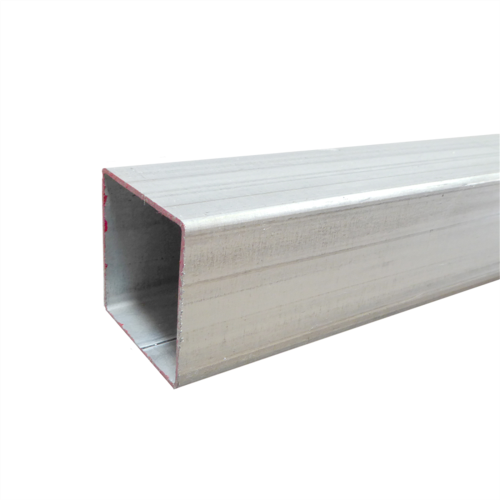
Yes, steel post wire fences can be easily adjusted or repaired if necessary.
To adjust the fence, you may need to remove some of the wire sections from the posts and then reattach them at the desired height or position. This can be done by loosening the fence clips or ties that hold the wire to the posts. Once the wire sections are repositioned, you can tighten the clips or ties to secure the wire back in place.
For repair, if a section of the wire fencing becomes damaged or torn, you can simply cut out the damaged portion and splice in a new section of wire. This can be done by using wire cutters to cut the damaged section and then using fence clips or ties to attach the new wire section to the adjacent sections.
9. Are there different sizes or thicknesses available for steel post and wire fence, and how do they affect their strength and stability?
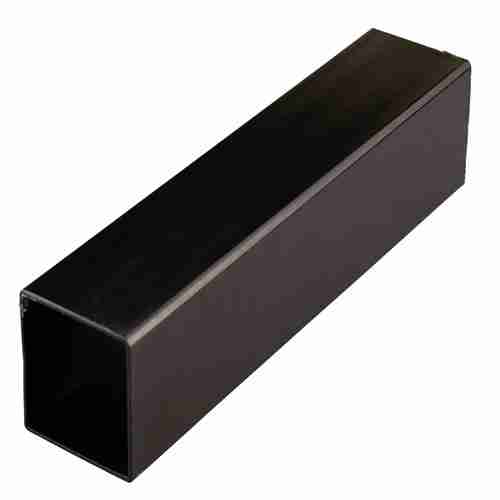
Yes, there are different sizes and thicknesses available for steel posts and wires used in fences. The size and thickness of the materials can affect the strength and stability of the fence.
For steel posts, their size and thickness typically indicate their durability and strength. Thicker posts are generally stronger and more resistant to bending or breaking under pressure. The size of the posts, often referred to as the gauge, is denoted by a number.
The smaller the gauge number, the thicker and sturdier the post. For example, a 9-gauge post is thicker and stronger than a 14-gauge post. Thicker posts are commonly used in applications where higher strength and durability are necessary, such as in agricultural fencing or high-security installations.
Similarly, the thickness of the wire used in the fence also affects its strength. Thicker wires are generally stronger and less prone to sagging or breaking. The thickness of wire is commonly measured in terms of gauge as well.
Thinner wires with higher gauge numbers offer less strength and may be more suitable for lighter applications like residential fencing or decorative purposes. Thicker wires with lower gauge numbers provide more strength and stability, making them suitable for heavy-duty fencing tasks like containing livestock or securing large properties.
10. Can wire fencing and metal posts be used for different types of fences, such as chain link, wrought iron, or privacy fences?
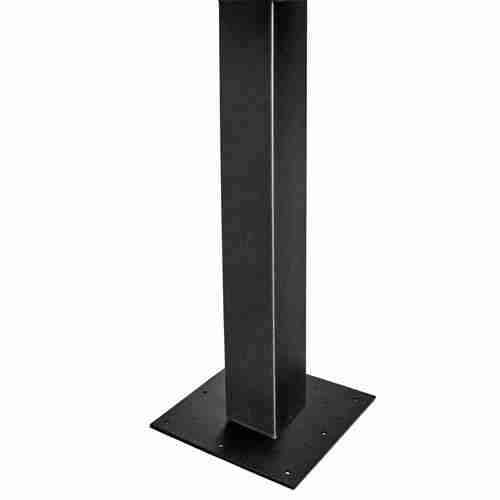
Yes, wire fencing and metal posts can be used for different types of fences, including chain link, wrought iron, and privacy fences.
For chain link fences, wire fencing made of galvanized steel or other durable materials is typically used. The wire is woven into a diamond pattern and attached to metal posts at regular intervals. Chain link fences are commonly used for security and boundary purposes.
Wrought iron fences, on the other hand, consist of metal posts with ornamental iron panels or pickets. While the posts may be made of metal, the fence panels are usually made of iron or steel and are designed in intricate patterns. Wrought iron fences are aesthetically pleasing and often used for decorative or historical purposes.
Privacy fences can also be constructed using wire fencing and metal posts. In this case, privacy slats or panels are installed between the metal posts, and the wire mesh is typically covered with materials such as wood or vinyl. Privacy fences provide added security and block the view from outsiders.
11. Is metal post and wire fencing able to withstand impacts or pressure from animals, children, or other external forces?
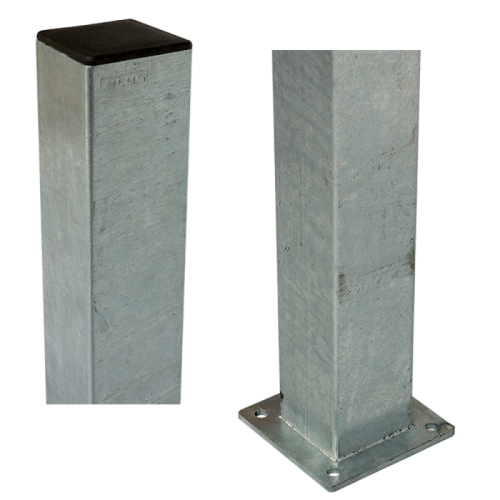
Metal post and wire fencing can withstand some impacts or pressure from animals, children, or other external forces to a certain extent. The strength and durability of the fencing will depend on factors such as the gauge and quality of the wire, the spacing between posts, and the height and design of the fence.
Thicker gauge wire and closer spacing between posts generally provide more strength and stability to the fencing. Additionally, using sturdy metal posts securely anchored into the ground can enhance the fence’s ability to withstand impacts.
12. Can angled metal fence posts be used in conjunction with other materials, such as wood or vinyl?
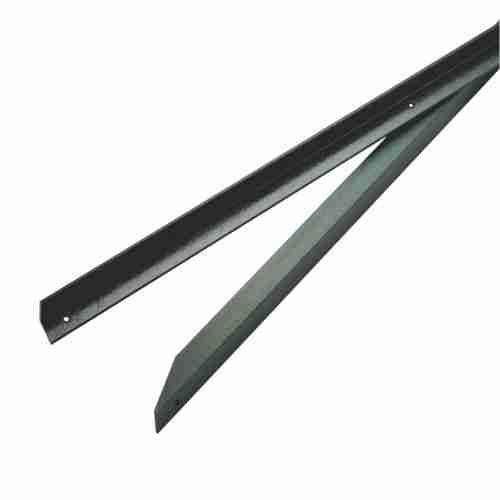
Yes, angled metal fence posts can be used in conjunction with other materials such as wood or vinyl. These posts can provide a strong and durable base for the fence, while the other materials can be used for the fence panels or slats. This combination of materials can offer a visually appealing and secure fence structure.
13. Do metal wire fence posts require any specific maintenance or treatments to prevent rust or corrosion?
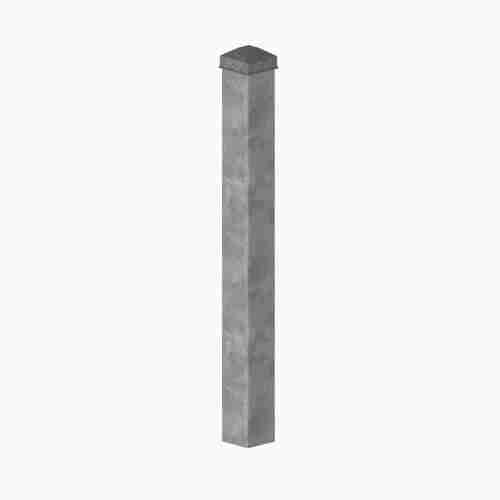
Yes, metal wire fence posts require specific maintenance and treatments to prevent rust and corrosion. Here are some steps to prevent rust and corrosion:
1. Galvanization: Opt for galvanized fence posts, which have a protective zinc coating that prevents rust formation. Galvanization increases the lifespan of the metal posts.
2. Rust-resistant coatings: Apply rust-resistant coatings to the fence posts. These coatings act as a barrier between the metal and the elements, preventing corrosion. Paint, epoxy coatings, or specialized anti-corrosion products can be used.
3. Regular cleaning: Clean the fence posts regularly to remove dirt, debris, and buildup. Use a mild detergent or soap with warm water and a soft brush or cloth. Avoid abrasive cleaners that can scratch the surface.
4. Inspection: Regularly inspect the fence posts for signs of rust or damage. Address any issues promptly to prevent further corrosion.
14. Are there any specific building codes or regulations that need to be followed when installing steel fence posts?
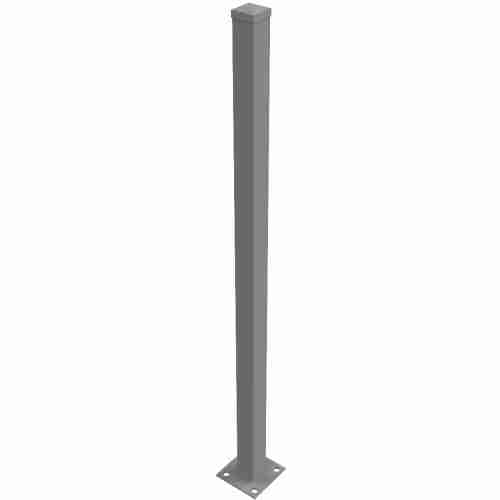
Yes, there are building codes and regulations that need to be followed when installing steel fence posts. Here are some common regulations that may apply:
1. Height and setback requirements: There may be restrictions on the maximum height and setback distance of the fence posts from property lines and other structures.
2. Depth and foundation requirements: The posts may need to be installed to a certain depth and secured with a suitable foundation to ensure stability and durability.
3. Material and quality standards: The steel posts used must meet certain material and quality standards to ensure they can withstand the expected loads and environmental conditions.
4. Safety requirements: The fence system must be designed and installed to ensure it does not pose a safety risk to pedestrians and other users. This may include requirements for sharp edges, anchoring systems, and accessibility.
15. Can steel fence posts be used for both above-ground and below-ground installations?
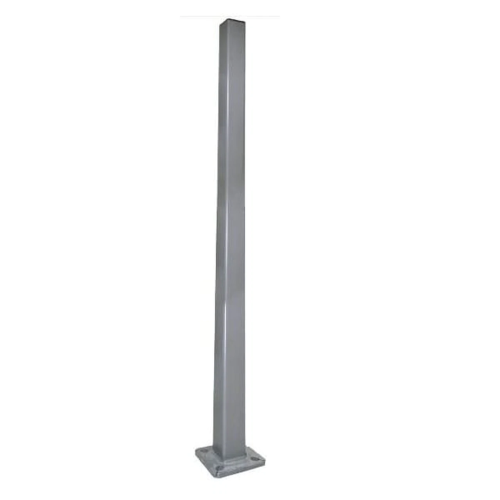
Yes, steel fence posts can be used for both above-ground and below-ground installations. However, when used for below-ground installation, it is important to ensure that the steel posts are properly treated and coated to prevent rust and corrosion.
Additionally, it may be necessary to use concrete footings or other methods to secure the steel posts in the ground and provide stability.
16. What is the common specification of steel fence posts?
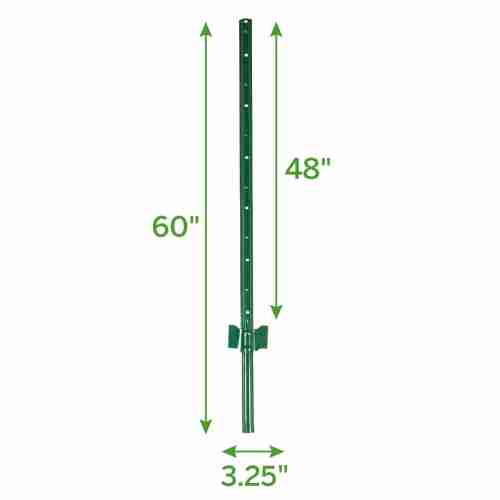
Material | Steel – typically galvanized or powder-coated |
Diameter | Usually cylindrical or square-shaped, with a typical diameter of 2-3 inches and a length of 6-9 feet |
Wall thickness | ranges from 14-16 gauge |
Shape | straight or with a flanged base |
Design | punched or drilled holes |
Weight | typically heavy-duty |
Connection | pre-welded brackets or clips |
FAQ
Most frequent questions and answers
There are several advantages of using steel fence posts compared to other materials:
- Strength and durability: Steel fence posts are extremely strong and can withstand heavy loads and harsh weather conditions.
- Versatility: Steel fence posts can be used for various types of fencing, including chain link, barbed wire, and mesh fencing.
- Longevity: Steel fence posts have a long lifespan and do not require frequent maintenance or replacement.
- Easy installation: Steel fence posts are relatively easy to install, especially when compared to concrete posts.
The average lifespan of steel fence posts can vary depending on various factors such as the type of steel used, the quality of the coating or galvanization, the environmental conditions, and regular maintenance.
However, a well-maintained steel fence post can last anywhere from 20 to 50 years or more.
There are several types of metal fence posts, including:
- Steel fence posts: These are the most common type of metal fence posts.
- Aluminum fence posts: Aluminum posts are lightweight, corrosion-resistant, and easy to install.
- Wrought iron fence posts: Wrought iron posts are known for their decorative and ornamental designs.
- Chain link fence posts:Chain link fence posts are typically made of galvanized steel.
There are some potential drawbacks or limitations to using cheap metal fence posts, including:
- Lower quality: Cheap metal fence posts may be made of lower quality materials or manufacturing processes, which can make them less durable and prone to bending or rusting over time.
- Lack of strength: Cheap metal fence posts may not have the same level of strength and stability as higher-quality posts.
- Shorter lifespan: Due to their lower quality and potential for rusting, cheap metal fence posts may have a shorter lifespan than higher-quality options.
Installing metal fence posts without concrete can be relatively easy, but it depends on the specific circumstances and requirements of the installation.
One popular alternative to concrete is using a metal fence post driver, which is a tool that allows you to drive the posts into the ground. This can be quicker and less labor-intensive compared to digging holes and using concrete.
The cost range for metal fence posts can vary depending on factors such as the type of metal, the height and thickness of the post, and the overall length and weight.
On average, metal fence posts can range from $10 to $50 per post. These prices do not include additional materials such as brackets or hardware.
Compared to other materials, such as wood or vinyl, metal fence posts tend to be more expensive. However, metal posts are often more durable and long-lasting, making them a worthwhile investment in the long run.
Yes, there are several differences between metal vineyard trellis posts and ordinary pillars.
- Material: Metal vineyard trellis posts are specifically designed for vineyards and are usually made of durable materials such as steel or aluminum. Ordinary pillars, on the other hand, can be made of various materials including wood, concrete, or stone.
- Design: Metal vineyard trellis posts are often designed with specific features to support grapevines and promote optimal vine growth.
- Durability:Metal vineyard trellis posts are typically more durable and long-lasting compared to ordinary pillars. They are designed to withstand the specific demands of vineyard environments, including exposure to moisture, sun, and high winds.
Yes, iron fencing posts can be used for both residential and commercial applications. Whether it’s for a residential property or a commercial building, iron fencing posts provide durable and secure support for the fencing panels. They are commonly used in both settings due to their strength and longevity.
To fix a no-dig metal fence post, you can follow these steps:
- Assess the damage:Determine the exact problem with the fence post. It could be loose, leaning, or completely detached.
- Tighten the post: If the post is loose, try tightening the screws or bolts that hold it in place. Use a wrench or pliers to ensure they are secure. If the screws or bolts are stripped, you may need to replace them with new ones.
- Realign the post:If the post is leaning, you can try pulling it back into the correct position. Use a post level or a level tool to ensure it is straight. You can use a wooden stake or temporary support to hold the post in place while you work on it.
- Reinforce the post:If the post is completely detached, you will need to reinforce it. Use a shovel or post-hole digger to dig a hole around the post. Make the hole deep enough to provide a solid foundation. Add gravel or concrete mix to the hole to create a stable base.
- Reinsert the post: Once you have prepared the hole, carefully place the post back into position. Make sure it is straight and level.
- Allow it to set: If you used concrete mix, allow it to set as per the manufacturer’s instructions. This usually takes at least 24 hours. Be patient and avoid putting any pressure on the post until it is fully set.
Yes, there are several special considerations for installing iron fence posts in areas with harsh weather conditions or specific soil types:
- Wind:In areas prone to high winds, it is important to choose a sturdy, well-built iron fence and securely install the posts.
- Freezing temperatures:In regions with freezing temperatures, it is important to install the iron fence posts below the frost line. This prevents the ground from shifting and potentially causing the post to become loose or unstable.
- Corrosion: Iron fence posts are susceptible to rust and corrosion, especially in areas with high humidity or saltwater exposure. It is recommended to apply a rust-resistant coating, such as galvanization, to protect the posts.
Thin metal fence posts can be used in sloped or uneven terrain, but there are some additional considerations for installation in these situations.
One consideration is the angle of the slope or the degree of unevenness. If the slope or unevenness is not too severe, thin metal fence posts can still be used. However, if the slope is too steep or the terrain is too uneven, it might be better to use sturdier and longer posts to ensure stability.
Another consideration is the method of installation. In sloped or uneven terrain, it is important to make sure that the posts are securely anchored in the ground. This can be done by using longer posts or installing them at an angle to accommodate the slope.
Flat metal fence posts typically require less maintenance and have a longer lifespan compared to other types of posts like wood or concrete. Here’s a breakdown of their maintenance and longevity characteristics:
Maintenance:
- Flat metal fence posts are resistant to rotting, warping, and insect damage, which are common issues with wooden fence posts.
- Metal posts do not require staining, painting, or sealing like wooden posts, saving you time and effort in maintenance.
- They are easy to clean and often only require occasional washing to remove dirt or debris.
Longevity:
- Metal fence posts, especially those made of materials like galvanized steel or aluminum, are highly durable and can withstand harsh weather conditions such as rain, snow, or UV exposure.
- Metal posts do not decay or deteriorate over time, which can be a problem with wooden posts.
- They have a longer lifespan compared to wood or concrete posts, lasting anywhere from 20 to 50 years or even more depending on the quality of the metal and the coating applied.
No, the steel post and rail fence does not necessarily need to be powder coated or finished in any way. Steel is naturally resistant to rust and corrosion, so it can be left unfinished without any issues.
There are a few different types of steel posts that are commonly used in cable railing systems. The most common types include:
- Stainless steel posts: Stainless steel is a popular choice for cable railing systems due to its resistance to corrosion and high durability.
- Aluminum posts: Aluminum is another popular choice for cable railing systems, especially for applications where weight is a concern.
- Galvanized steel posts: Galvanized steel posts are a more economical option compared to stainless steel. They are coated with a layer of zinc to protect against rust and corrosion.
The maximum height that steel posts can safely support for a metal post and rail fence depends on various factors, including the gauge and thickness of the steel posts, the spacing between posts.
The type and weight of the railings, and the overall design and construction of the fence. In general, steel posts can safely support fence heights up to 6 feet or higher.
There are typically no height limitations or restrictions when using metal I-beam fence posts. However, it is important to ensure that the posts are properly installed and reinforced to support the weight and height of the fence.
Additionally, local building codes or homeowners association regulations may have specific requirements or restrictions on fence height that should be taken into consideration.
The spacing between short metal fence posts can vary depending on the type of fence. Here are some typical spacing measurements for different types of fences:
– Chain link fence: The spacing between short metal posts for a chain link fence is usually between 6 to 10 feet.
– Wire mesh fence: The spacing between short metal posts for a wire mesh fence is typically around 8 to 12 feet.
– Picket fence: The spacing between short metal posts for a picket fence can vary, but it is usually around 6 to 8 feet.
– Garden fence: The spacing between short metal posts for a garden fence is typically between 4 to 6 feet, depending on the size and strength of the fence.
– Decorative metal fence: The spacing between short metal posts for a decorative metal fence can vary depending on the design, but it is usually between 6 to 8 feet.
Yes, there are several potential safety concerns and precautions when working with metal stock fence posts:
- Sharp edges: Metal fence posts can have sharp edges that can cause cuts or injuries. It is important to wear appropriate protective gloves and clothing to minimize the risk of getting cut.
- Electrical grounding: If you are working with metal fence posts near electrical cables or equipment, there is a risk of electrical shock. Ensure that you are aware of the location of any underground electrical lines before digging holes for the posts.
- Digging holes: When digging holes for metal posts, be cautious of potential hazards such as buried utilities, rocks, or other underground obstructions. Use proper digging tools and techniques to prevent injury.
Steel pickets can easily be recycled at the end of their lifespan. Steel is a highly recyclable material and can be melted down and reprocessed into new steel products.
Recycling steel helps save energy and resources and reduces greenhouse gas emissions. If steel pickets cannot be recycled, they can be disposed of in a landfill. However, recycling is the preferable option as it is more environmentally friendly.
The metal post for a vinyl fence is used to provide structural strength and stability to the fence. It acts as the main support for the vinyl panels and helps to prevent them from sagging or leaning over time.
Additionally, the metal post also helps to anchor the fence firmly in the ground, making it more resistant to wind and other forces that may cause it to shift or move.
Vinyl fences are known for their durability and low-maintenance qualities. However, by adding metal posts to the design, the overall strength and durability of the fence are greatly enhanced.
Metal posts provide a solid foundation for the fence, making it more resistant to strong winds, impacts, and other external forces. Vinyl panels can be attached securely to the metal posts, ensuring that the fence stays upright and stable.
The metal posts also prevent sagging and warping of the vinyl panels over time. Unlike wooden posts, which can warp or weaken due to moisture or pests, metal posts are resistant to these issues, maintaining the structural integrity of the fence.
Furthermore, metal posts offer additional support to the fence, especially in areas with uneven terrain or soil conditions. They help distribute the weight and pressure evenly along the fence line, reducing the risk of leaning or collapsing.
Vinyl fence posts are typically installed over steel or aluminum posts for added stability. The steel or aluminum posts are first set into the ground using concrete or other suitable methods.
Once the steel post is securely in place, a vinyl post sleeve is slipped over it. The sleeve is typically made of high-quality PVC material and is designed to fit snugly over the steel post.
This vinyl post sleeve provides an attractive and durable outer layer, protecting the steel post from moisture, rust, and other environmental elements. The vinyl post sleeve is secured to the steel post using screws or other fastening methods.
This combination of the steel or aluminum post and the vinyl post sleeve creates a strong and long-lasting fence post assembly.
There are a few steps that can be taken to prevent wire mesh fence posts from shifting or becoming loose over time:
- Proper Installation: Ensure that the fence posts are installed correctly and securely from the start. This includes digging deep and wide enough holes for the posts, using a post hole digger or auger, and adding a layer of gravel or concrete in the bottom of the hole for stability.
- Use Good Quality Materials: Choose sturdy and durable fence posts made of materials such as metal, treated wood, or concrete. Avoid using low-quality or rot-prone materials that may weaken over time.
- Backfill Properly: After placing the post in the hole, backfill the remaining space with a mixture of gravel and soil.
- Use Concrete Footings: For added support, consider using concrete footings around the base of the fence posts.
- Brace the Posts: Brace the posts temporarily during installation by attaching wooden cross braces diagonally from the top of the post to the ground. This helps to keep the posts in position until the concrete or backfill has set.
Yes, tall metal fence posts can be used for both temporary and permanent fencing applications. The main difference between temporary and permanent fences is the depth at which the posts are installed.
For temporary fencing, the posts are usually driven into the ground at a shallower depth and can be easily removed or relocated when needed. These posts often have pointed ends or removable bases for easy installation and removal. Temporary fences are commonly used for construction sites, events, or to secure a temporary area.
For permanent fencing, the posts are typically installed at a deeper depth, usually by digging post holes and securing them with concrete. This provides a more stable and durable foundation for the fence. Permanent fences are often used for residential property boundaries, agricultural enclosures, or security purposes.
So, tall metal fence posts can serve both temporary and permanent fencing needs, depending on how they are installed.
Yes, best metal fence posts can be used in conjunction with automated gate systems or security features. Metal fence posts are sturdy and durable, making them suitable for supporting automated gates and security features.
They can provide a strong and stable base for the gate and provide extra security to the overall system. Additionally, metal fence posts can be designed with features such as holes or brackets for attaching security cameras, motion sensors, or other security devices.
Yes, there are several alternative or innovative uses for metal posts used in wire fencing. Here are a few examples:
- Trellis Support: Metal posts can be used to support wire trellises in gardens or farms. This allows vines, climbing plants, and creepers to grow vertically, maximizing space and creating a visually appealing vertical garden.
- Animal Enclosures: Metal posts can be used to create enclosures for small animals like chickens, rabbits, or even reptiles.
- Clothesline Posts: Metal posts can be used as sturdy supports for clotheslines. By attaching hooks or eye bolts to the posts, you can create a reliable and durable structure to hang clothes for drying.
- Barrier Posts: Metal posts can be used to create barriers or partitions in open spaces. By attaching wire mesh or panels to the posts, you can create temporary or permanent barriers that control access or separate different areas.
Yes, metal fence posts can be used for agricultural and livestock fencing purposes. Metal fence posts are durable and can withstand the weight and pressure of livestock. They are commonly used for electric fencing, barbed wire fencing, and woven wire fencing in agricultural settings.
Metal posts are also easy to install and require minimal maintenance, making them a popular choice for many farmers and ranchers.
Yes, wire fencing with metal posts can be used for gate or entryway posts. The metal posts provide structural support and stability to the gate or entryway, while the wire fencing is attached to the posts to create a barrier or enclosure.
This type of setup is commonly used for residential and commercial gates, garden gates, or fence entryways.
Welded wire fence with metal posts can be installed by homeowners, as long as they have the necessary tools and skills. However, professional installation is recommended for those who are not familiar with the process or who want to ensure a high-quality and long-lasting installation.
Professional installers have the experience and knowledge to properly install the fence, ensure it is level, and make any adjustments needed for a secure and sturdy installation.