
High Tensile Barbed Wire description
High tensile barbed wire is a type of fencing material that is used to deter and contain animals and people. It consists of multiple strands of wire twisted together to form a strong and durable barrier.
It is made from steel wires that have been heat treated and twisted multiple times to increase their tensile strength. This means that the wire is able to withstand a greater amount of tension and pressure without breaking or becoming loose. This is especially important in areas where the fence is likely to be exposed to high winds or heavy animals.
The heat treatment and twisting process used to manufacture the wire makes it highly resistant to rust and corrosion. This means that the wire can be used in a variety of environments, including areas with high levels of moisture or saltwater.
The barbs on the wire are designed to prevent animals and people from crossing the fence. When an animal or person comes into contact with the wire, the barbs dig into their skin or clothing, causing pain and discouraging further attempts to cross the fence.
High tensile barbed wire is also easy to install. It can be attached to wooden or metal posts using staples, clips, or wire ties.
High tensile barbed wire is an excellent choice for property owners looking for a strong, durable, and effective fencing material. Its high tensile strength and resistance to rust and corrosion make it suitable for use in a variety of environments.
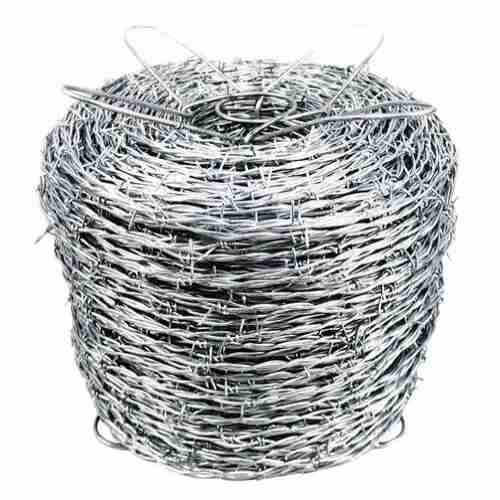
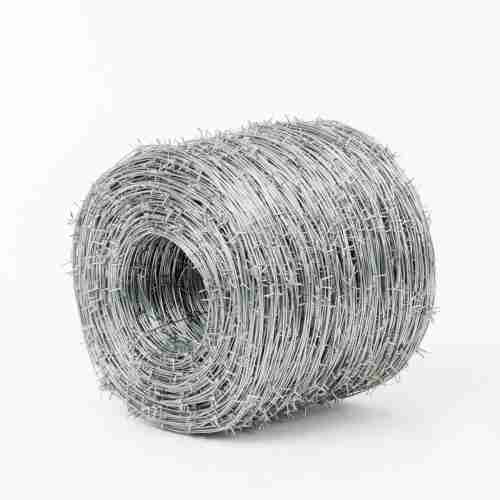
ProductS
High Tensile Barbed Wire
High tensile barbed wire is a type of fencing material that is designed to be strong and durable. It is made from steel wire that has been twisted and strung together with barbs at regular intervals.
It is made from high-quality steel wire, so it is able to resist breakage and damage caused by pressure or impacts. This makes it an ideal choice for use in areas where the fence may be exposed to heavy abuse, such as livestock enclosures or areas with high-wind conditions.
High tensile barbed wire is also resistant to rust and corrosion. This is important because it ensures that the wire will continue to provide effective protection over an extended period of time, even in harsh weather conditions. The wire is often coated with a protective layer, such as zinc or a polymer, to further enhance its resistance to rust and corrosion.
High tensile barbed wire is an effective and affordable fencing option for a wide range of applications. It is commonly used in agricultural settings to contain livestock and protect crops from damage caused by animals. It is also frequently used to secure perimeters and boundaries.
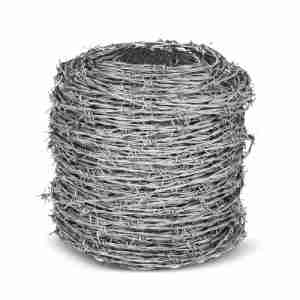
12.5 Gauge High Tensile Barbed Wire
12.5 gauge high tensile barbed wire is a strong, durable, and versatile fencing wire that provides enhanced security for various applications. The wire is typically coated with a zinc-aluminum alloy to provide protection against rust and corrosion.
The high tensile steel used in its construction allows the wire to withstand a great amount of tension and pressure. This makes it highly resistant to stretching and breaking, even when subjected to heavy loads or harsh weather conditions.
The wire is dotted with sharp, pointed barbs that are designed to deter intruders from trying to climb over or crawl under the fencing. The presence of these barbs makes it difficult for animals or humans to pass through the wire without injuring themselves, effectively acting as a deterrent.
It can be easily installed on a variety of surfaces, including wooden posts, metal frames, and concrete walls. It can also be tensioned to provide a tight and secure barrier that is difficult to breach.
12.5 gauge high tensile barbed wire is relatively low maintenance. The zinc-aluminum alloy coating provides protection against rust and corrosion, reducing the need for regular cleaning or replacement. This makes it a cost-effective option for long-term security.
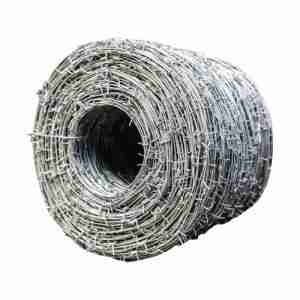
14 Gauge High Tensile Barbed Wire
High tensile barbed wire is commonly used in agricultural and rural settings to create boundaries and protect livestock. One popular option is a 14 gauge high tensile barbed wire.
The term “gauge” refers to the thickness of the wire. In this case, the 14 gauge wire is relatively thick, making it more resistant to breakage and distortion. This means that it can withstand high tension and is less likely to sag or stretch over time.
High tensile barbed wire is also made from strong materials, such as galvanized steel. Galvanizing involves coating the wire with a layer of zinc, which provides protection against rust and corrosion. This ensures that the wire will last for a long time, even in harsh weather conditions.
The spacing between the barbs is also an important consideration. The most common spacing options are 4 to 5 inches, although other options may be available. A smaller spacing between the barbs provides better security, as it reduces the risk of animals squeezing through the fence or reaching over the wire.
Installing 14 gauge high tensile barbed wire requires proper tensioning to ensure a secure and effective fence. It is recommended to use a tensioning system, such as a wire strainer or come-along, to achieve the desired tension. This will help prevent sagging and maintain the integrity of the fence.
Techniques
1. What is the specification of high tensile barbed wire fence?

Material | high-strength steel wire |
Wire gauge | ranging from 14 to 12 |
Barbed wire spacing | 4-5 inches, 5-6 inches, and 6-7 inches |
Number of barbed wires | 4, 5, or 6 barbed wires |
Barbed wire height | 4 feet, 5 feet, or 6 feet |
Tensile strength | typically higher than 170,000 PSI (pound per square inch) |
Coating | galvanization |
2. Installation of high tensile barbed wire

High tensile barbed wire is a type of fencing material that is commonly used to secure and protect livestock, property, and other valuable assets. It is a strong and durable fencing option that can be installed with a few simple steps:
1. Prepare the area: Before installing the high tensile barbed wire, it is important to properly prepare the area where the fence will be located. Clear any vegetation, rocks, or debris from the area to ensure a smooth installation process.
2. Install corner posts: Begin by installing sturdy corner posts at each corner of the fence line. These posts should be deep enough to be secure and stable, typically 3-4 feet in the ground. Use a post hole digger or an auger to dig the necessary holes for the corner posts.
3. Install line posts: After the corner posts are in place, install line posts along the fence line at regular intervals. These posts should be spaced approximately 10-12 feet apart, depending on the specific needs of your fence. Dig holes and firmly secure the line posts in place.
4. Stretch the wire: Once the posts are securely in place, it is time to stretch the high tensile barbed wire along the fence line. Start at one end and attach the wire to one of the corner posts using wire clamps or a similar method.
5. Attach barbed wire: After the high tensile wire is fully stretched along the fence line, it is time to attach the barbed wire. Simply twist the barbed wire around the high tensile wire at regular intervals, typically 4-6 inches apart.
6. Secure the ends: Once the barbed wire is attached along the entire fence line, secure the ends of the wire to the corner posts. This can be done using wire clamps or a similar method.
7. Test the fence: After the installation is complete, it is important to test the fence to ensure that it is secure and properly functioning. Walk along the fence line and check for any loose or sagging sections of wire.
3. How does stretching high tensile barbed wire increase security?
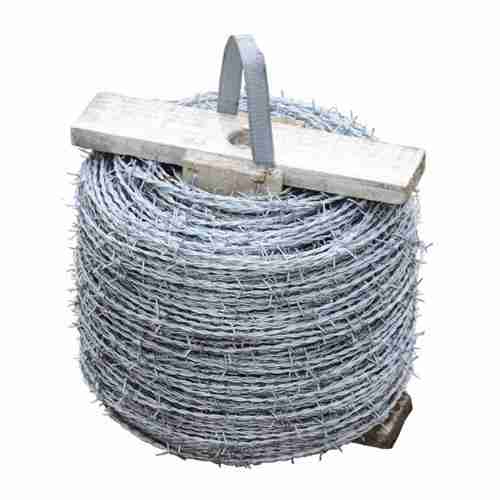
Stretching high tensile barbed wire increases security in several ways:
1. Increased Deterrence: The tightly stretched wire acts as a physical barrier, making it more difficult for unauthorized individuals to breach the perimeter. The tautness of the wire provides a strong visual deterrent, as it appears impenetrable and signals that trespassing or breaching the barrier will be challenging.
2. Enhanced Durability: High tensile barbed wire is made from strong, robust materials that provide greater resistance to cutting or breaking. When properly stretched and tensioned, it becomes even more challenging for intruders to manipulate or damage the wire, reducing the likelihood of unauthorized access.
3. Improved Detection: Stretching the wire helps maintain proper alignment and prevents sagging, which can cause false alarms by triggering security sensors due to unintentional contact with vegetation or other objects.
4. Minimized Vulnerability: Loose or sagging barbed wire can create gaps or holes along the perimeter, compromising security. Stretching the wire eliminates these vulnerabilities by ensuring consistent coverage along the barrier, making it significantly harder for intruders to find weak spots or breaches.
5. Efficient Monitoring: Tightly stretched high tensile barbed wire allows for better visibility along the perimeter. This enhanced visibility facilitates effective monitoring and surveillance, as it enables security personnel or surveillance systems to easily detect any attempts to tamper with or breach the barrier.
FAQ
Most frequent questions and answers
Yes, high tensile barbed wire typically has a longer service life compared to regular barbed wire. This is because high tensile barbed wire is made from stronger and more durable materials, such as high tensile steel, which allows it to withstand greater tension and resist breakage or stretching over time.
Additionally, high tensile barbed wire is often coated with protective zinc or polymer coating that helps to prevent corrosion and extend its service life even further.
The price range of high tensile barbed wire varies depending on several factors. On average, the price can range from $50 to $150 per roll. The contributing factors to the price include:
- Wire gauge: The thickness of the wire affects the strength and durability of barbed wire. Thicker gauge wires are typically more expensive.
- Tensile strength: High tensile barbed wire is known for its increased strength and durability. The higher the tensile strength, the more expensive the wire tends to be.
- Length of the roll: The length of the barbed wire roll also influences the price. Longer rolls will generally cost more than shorter rolls.
- Coating and materials: Barbed wire can come with different coatings such as galvanized barbed wire, PVC-coated, or zinc-aluminum alloy coated. The type of coating and the quality of materials used can affect the price.