
Devil Fork Fence description
Devil fork fence is a type of fencing that consists of sharp, pointed metal barbs or spikes attached to a wire. It is designed to act as a barrier and deter or prevent unauthorized access or entry to a specific area.
The construction of the fence typically involves attaching the barbed wire to posts or other support structures. The wire is stretched tightly across the posts and secured at regular intervals to maintain the desired tension. The barbs or spikes are then attached to the wire, usually in a staggered pattern, to maximize their effectiveness in deterring intruders.
Devil fork fence come in different designs and configurations, depending on the specific requirements and preferences of the property owner. Some fences may have multiple strands of barbed wire, while others may have additional features such as electric currents or razor-sharp blades.
These extra measures further increase the security level and make it even more challenging for intruders to cross the fence.
Devil fork fence is a type of fencing that is commonly used for security purposes. It provides a physical barrier that is difficult to breach, making them ideal for high-security areas or places where trespassing is a concern.

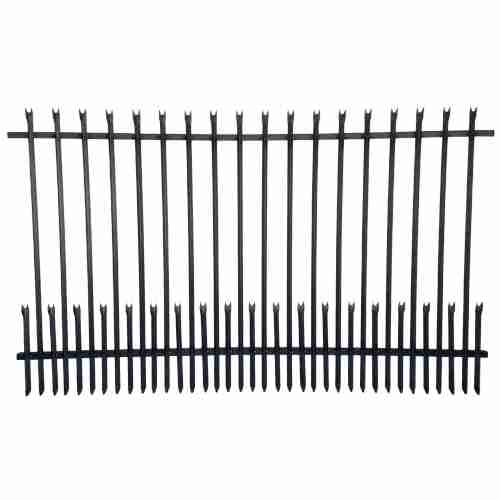

ProductS

Devil Fork Fence
Devil fork fence is a type of fencing that is commonly used in agricultural and rural areas to contain livestock. It consists of metal fence posts, with several strands of barbed wire stretched between them.
The name “devil fork fence” is derived from the appearance of the barbed wire, which resembles the prongs of a devil’s pitchfork. This type of fencing is designed to be a strong and durable barrier, as the sharp barbs on the wire make it difficult for animals to breach.
They are popular in rural areas because they are relatively inexpensive and easy to install. They can be used to enclose large areas of land and keep animals contained. The sharp barbs on the wire act as a deterrent, discouraging livestock from attempting to cross or damage the fence.
Despite their name, devil fork fence is not harmful or dangerous when used properly. The barbs on the wire are designed to be a deterrent, rather than a weapon.
However, caution should be exercised when working with devil fork fences to avoid injury. It is important to wear appropriate protective gear, such as gloves, when handling the sharp barbed wire to reduce the risk of getting cut.
Devil fork fences require regular maintenance to ensure their effectiveness. The wire should be checked regularly for any damage or loose strands and repaired or replaced as needed. The fence posts may also need to be periodically inspected and reinforced to prevent them from becoming unstable or falling over.
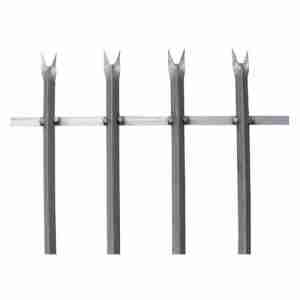
Devil Fork Fence Panels
Devil fork fence panels are resistant to vandalism and damage. The sharp spikes act as a deterrent against anyone trying to damage or tamper with the fence, as they risk injuring themselves in the process. The durable materials also used in the construction of these panels make them resistant to weathering and wear,
ensuring that they remain effective for many years.
In terms of aesthetics, devil fork fence panels can be customized to suit the style and design preferences of the property owner. They are available in a range of sizes, colors, and finishes, allowing for a seamless integration with the surrounding environment.
It is important to note that the fence panels may have legal restrictions in certain areas, as they can cause harm or injury to individuals who come into contact with them. Therefore, it is crucial to consult with local authorities and adhere to any regulations or codes before installing these panels.
Devil fork fence panels are a highly effective and visually striking security fencing option. They provide a formidable physical and psychological barrier. With their durable construction and customizable options, devil fork fence panels offer long-lasting protection and peace of mind.
CUSTOM Devil Fork Fence
DEZE is a custom Devil Fork Fence manufacturer and supplier that specializes in providing high-quality, durable fences for residential, commercial, and agricultural applications. With years of experience in the industry, DEZE has established itself as one of the leading suppliers of Devil Fork Fences.
DEZE offers a range of Devil Fork Fence options to suit different needs and preferences. Whether you’re looking for a traditional, rustic-style fence or a modern, sleek design, they have the expertise to create a fence that meets your exact specifications.
With their dedication to quality, craftsmanship, and customer satisfaction, DEZE is the go-to manufacturer and supplier for all your Devil Fork Fence needs.
Techniques
1. What are the installation steps of the Devil fork fence?

1. Measure and mark the locations for the fence posts. They should typically be spaced 8 to 12 feet apart.
2. Dig holes for the fence posts using a post hole digger or an auger. The depth of the holes should be approximately one-third the length of the fence post.
3. Place a fence post in each hole and ensure they are level. Fill the holes with concrete to secure the posts in place. Allow the concrete to dry and set according to the manufacturer’s instructions.
4. Attach the devil fork fence panel to the first fence post. Use nails or screws to secure the panel to the post. Repeat this process for each additional panel, attaching them to the corresponding fence posts.
5. Once all the panels are attached, secure the devil fork fence to the top of the fence posts using nails or screws.
6. Add any additional decor, such as finials or caps, to the top of the fence posts for added aesthetic appeal and protection.
7. Inspect the installed devil fork fence to ensure it is secure and level. Make any necessary adjustments or repairs as needed.
2. What are the materials typically used to construct Devils fork fencing?

Devils fork fencing is commonly made of metal materials such as steel or wrought iron. The main components of the fence include vertical pickets or posts with pointed spikes, horizontal rails that connect the posts, and sometimes additional decorative elements such as scrolls or finials.
The spikes or prongs on the pickets are designed to deter climbing and provide added security.
3. Specification of devil fork fence

Material | galvanized steel or stainless steel |
Height | ranging from 6 feet to 12 feet |
Spacing between bars | ranges from 4 inches to 6 inches |
Spike length | range from 2 inches to 6 inches |
Barbed wire | The number of strands and spacing of the barbed wire can be customized. |
Construction | The panels can be installed with brackets or by welding them directly to the posts. The posts are typically made of steel and are concreted into the ground for stability. |
Coating | powder coating or hot-dip galvanizing |
Gate | They may include additional security measures such as locks, security cameras, or keypad entry systems. |
4. How durable and long-lasting are devil fork fence?

To paint a Devils Fork fence, follow these steps:
1. Prepare the area: Clear any vegetation or debris around the fence to create a clean and safe working environment. Remove any loose or peeling paint from the fence using a wire brush or scraper.
2. Clean the fence: Use a pressure washer or a sponge and soapy water to thoroughly clean the fence. This will remove dirt, grime, and any remaining paint chips. Rinse the fence with clean water and allow it to dry completely before proceeding.
3. Protect surrounding areas: Cover any nearby plants, grass, or structures with plastic sheets or drop cloths to protect them from paint overspray or splatter.
4. Prime the fence: Apply a coat of primer specifically designed for metal surfaces, using a brush or roller. Make sure to cover all areas of the fence, including the vertical pickets and horizontal rails.
5. Choose the paint: Select a high-quality exterior paint suitable for metal surfaces. A satin or semi-gloss finish is recommended for added durability. Opt for a color that complements the surrounding area or matches your desired aesthetic.
6. Paint the fence: Start by painting the vertical pickets first, using a brush or roller. Apply an even coat of paint, making sure to reach into all the nooks and crannies of the Devils Fork design. Work in small sections, moving from one panel to the next until the entire fence is painted.
7. Touch up and finish: Inspect the fence for any missed spots or uneven coverage. Use a small brush to touch up these areas and ensure a smooth and consistent finish.
FAQ
Most frequent questions and answers
The price range of devil’s fork palisade fencing can vary depending on factors such as the height, length, material quality, and additional features such as anti-climb spikes. Generally, the price can range from $20 to $70 per linear foot.
Devil’s fork palisade fences are often considered effective for security purposes due to several factors. Here are some reasons why they can be more effective compared to other fence types:
- Deterrence: The sharp, pointed spikes on devil’s fork palisade fences act as a physical deterrent, discouraging potential intruders from attempting to breach the fence. This can help prevent unauthorized access or break-ins.
- Height: Devil’s fork palisade fences are usually taller than other typical fences, making it more challenging for intruders to climb over. When combined with the pointed spikes, the height adds an extra layer of security.
- Visibility: These fences have an open design that allows for better visibility on both sides. This can help with monitoring and enables security personnel to quickly detect any suspicious activity near the fence.
- Durability: Devil’s fork palisade fences are typically made from robust materials like steel or iron, making them highly durable and resistant to damage from vandalism or attempts to break through. This durability enhances their effectiveness in providing security.
- Cost-effective: While the initial installation cost might be higher than some other fence types, devil’s fork palisade fences require minimal maintenance in the long run, reducing overall costs.
To paint a Devils Fork fence, follow these steps:
- Prepare the area: Clear any vegetation or debris around the fence to create a clean and safe working environment. Remove any loose or peeling paint from the fence using a wire brush or scraper.
- Clean the fence: Use a pressure washer or a sponge and soapy water to thoroughly clean the fence. This will remove dirt, grime, and any remaining paint chips. Rinse the fence with clean water and allow it to dry completely before proceeding.
- Protect surrounding areas: Cover any nearby plants, grass, or structures with plastic sheets or drop cloths to protect them from paint overspray or splatter.
- Prime the fence: Apply a coat of primer specifically designed for metal surfaces, using a brush or roller. Make sure to cover all areas of the fence, including the vertical pickets and horizontal rails.
- Choose the paint: Select a high-quality exterior paint suitable for metal surfaces. A satin or semi-gloss finish is recommended for added durability. Opt for a color that complements the surrounding area or matches your desired aesthetic.
- Paint the fence: Start by painting the vertical pickets first, using a brush or roller. Apply an even coat of paint, making sure to reach into all the nooks and crannies of the Devils Fork design. Work in small sections, moving from one panel to the next until the entire fence is painted.
- Touch up and finish: Inspect the fence for any missed spots or uneven coverage. Use a small brush to touch up these areas and ensure a smooth and consistent finish.